AFTER EFFECTS OF TRAUMATIC BRAIN INJURY-Ojaswita
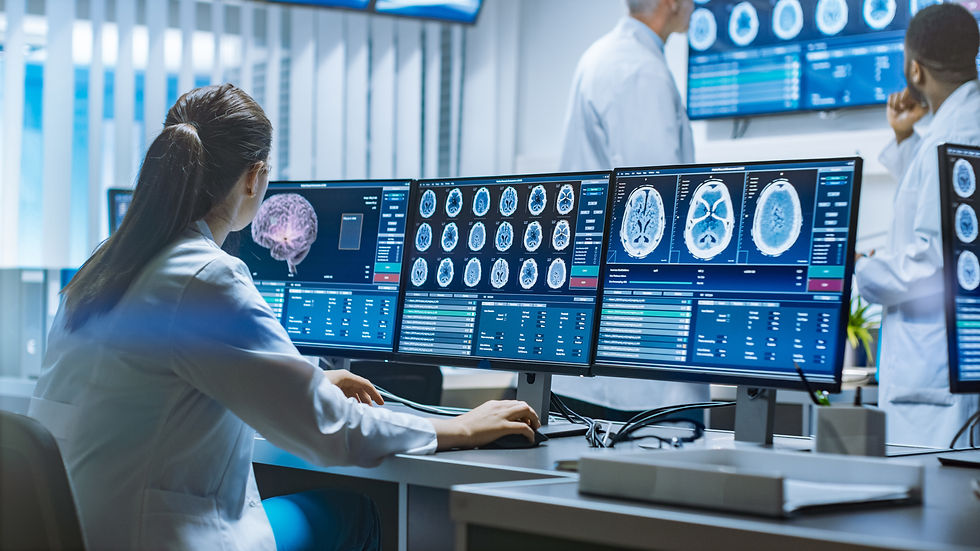
A head injury caused by external force or mechanism which can have long term implications or death is termed traumatic brain injury.
Acquired brain injury covers all situations in which damage to the brain has occurred since birth and includes traumatic brain injuries such as tumors, strokes, brain hemorrhage and encephalitis.
Traumatic brain injury is of two types:
Open Brain Injury - includes penetrating injuries like assaults, falls, abuse, accidents, surgery.
Close Brain Injury - caused due to internal pressure and shearing which can be caused due to assault, fall, accidents or abuse.
India reports more than 1 million cases of brain injury a year while the US averages around 2.6 million cases a year.
Risk factors are maximum for children up to 4 years, young adults from ages 15-24 years, and adults of 60 years of age and above. Males are more prone to traumatic brain injuries as compared to females.
Symptoms:
Fatigue
Aphasia
Loss of balance
Convulsion or seizures
Blurred vision
Ringing in ears
Disorientation
Amnesia
Mood swings
Slurred speech
Profound confusion
Depression
Insomnia
Verbal or physical outbursts
Less attention span
Progression of TBI in Severe Cases:
Coma
A person in a coma is unconscious and unable to respond to any stimulus. This results from widespread damage to all parts of the brain. After a few weeks, the person may enter vegetative state.
Vegetative State
Although the person is unaware of surroundings, he/she may open his/her eyes, make sounds, respond to reflexes or move. It might become permanent or may progress to a minimally conscious state.
Minimally Conscious State
Condition of severely altered consciousness but with some signs of self-awareness or awareness of one’s environment. It is sometimes a transitional state from a coma or vegetative condition to greater recovery.
Case Study
The subject of my case study is a 40-year-old woman who suffered a road accident in the year 2011. Prior to the accident she was in good health with minimal comorbidities. She was admitted to the hospital with multiple fractures and a traumatic brain injury. She underwent surgery and was in the ICU for a few months. Even after being discharged, she was in a coma for another 3-4 months.
Some of her symptoms include:
Loss of comprehension
Hemi-paresis
Amnesia
Diabetes
Convulsions
More than 10 years have passed since the incident, and though she has come a long way in her recovery, the full chance of her recovery is minimal.
Imaging Tests
Computerized Tomography (CT scan)
Magnetic Resonance Imaging (MRI)
Treatment
Medication
Diuretics: decrease the amount of fluid in tissue
Anti-epileptics: avoid any additional damage due to seizures
Analgesics: decreases pain
Surgery
Remove hematomas: bleeding within brain can lead to clots
Repair skull fractures: incision are given to open a window in the skull and relieve pressure
Rehabilitation Centers
Physiotherapist: helps in regaining movements.
Speech therapist: improves communication skills.
Social worker or case manager: facilitates access to services, helps in taking decisions.
Traumatic brain injuries are surely life threatening. Even if the person is saved, they have to go through a long and painful path to recovery. Thus, it is better to take proper precautions than to meet this fate. Some of them are:
Wear a helmet while riding two wheelers.
Do have access to seat belts and airbags while driving.
Take good care of children to avoid injuries.
Do not drive under the influence of alcohol and drugs.
Maintain safe living areas for seniors


Comments